If you are a fighter with ties to the Moonshae Isles—or simply someone trained to survive in hard lands—you know the isles as a place of old grudges, rough weather, proud local rulers, and constant readiness. The Moonshaes are not one neat realm where everyone salutes the same banner and behaves sensibly. They are a patchwork of Ffolk and Northlander traditions, old royal ambitions, raiders, monsters, and dangerous wilderness, where strength matters—but so do loyalty, reputation, and knowing who actually commands the hall you just walked into.
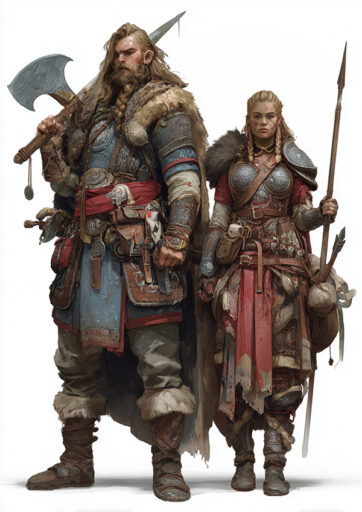
What You’ve Heard of the Moonshae Isles
- The Moonshae Isles have a long reputation for conflict: not endless empire-scale warfare, but raids, feuds, border struggles, sea fighting, monster threats, and the kind of local violence that keeps weapons close at hand.
- The isles are shaped by two major human traditions: the Ffolk, who were there first, and the Northlanders, a warrior-seafaring people who came first as raiders and later as settlers.
- A fighter would know that the Moonshaes are politically important not because they are peaceful, but because someone is always trying to hold them together against the tide of history being its usual damp little menace. The united realm under the Kendrick line is a major fact of recent history.
- Even when the banners are nominally united, the isles still think in terms of island loyalties, local rulers, and old identities. A fighter learns quickly that “Who are your people?” matters nearly as much as “How well can you swing that?”
The People You Understand Best
- Fighters tend to understand the Northlanders easily: warrior culture, hard weather, martial reputation, sea travel, raids, strength, boasting, scars, hierarchy, and reputation earned the hard way. Adventure and combat are central to Northlander life in a way many fighters instinctively grasp.
- The Ffolk are different, but no less familiar to a practical martial person. They have nobles, militias, retainers, strongholds, obligations to crown and clan, and a long memory for who defended the land when things went bad.
- A fighter in the Moonshaes usually grows up knowing that both peoples can produce excellent warriors. The difference is less “who is tougher” and more “what sort of toughness they prize.”
- Fighters also tend to understand common soldiers, household guards, caravan escorts, ship crews, mercenaries, and local militias better than they understand sages or courtly schemers. In the Moonshaes, those people matter because survival is often a group project with axes.
Powers, Faiths, or Traditions That Matter to You
- Even if a fighter is not especially devout, they are likely to know that the Moonshaes are shaped by more than kings. The Earthmother matters to the Ffolk and to the old spiritual identity of the isles, and any sensible warrior learns not to sneer at what the land’s people hold sacred.
- Fighters respect traditions that keep people alive: oath-keeping, loyalty to hall and warband, duty to liege or jarl, hospitality, vengeance, and the expectation that a leader stands with their people in danger. Those values fit both Ffolk and Northlander societies, though with different flavors.
- Among Northlanders especially, prowess in battle is not some side hobby. It is woven into status and identity. Among the Ffolk, martial strength is often more bound to stewardship, defense, and the burdens of rulership.
- A fighter also learns one very practical tradition of the Moonshaes: do not dismiss local legends too quickly. On these islands, “monster tale” and “military intelligence” are sometimes the same thing wearing different boots.
Important Factions, Orders, and Influential Figures
- The High Queen and the Kendrick line matter, because any fighter with even a passing knowledge of the isles knows the royal project of unifying the Moonshaes is one of the great political facts of the region. Caer Callidyrr is the major royal center a martial person would know by name.
- The Northlander jarls matter just as much on the ground. A fighter knows perfectly well that a crown may claim broad rule, but local war leaders still command loyalty, ships, and armed people.
- Fighters also pay attention to dangerous hostile powers, not just legal governments. The Black Blood tribe—lycanthropes, shifters, and other violent threats centered on Moray—is exactly the kind of faction a seasoned warrior would know by fearful reputation.
- Above all, a fighter of the Moonshaes knows that sometimes the enemy is not another lord but something monstrous enough to make ordinary warfare look tidy. In those stories, names like Kazgoroth travel fast and stick hard.
Why People Like You Are Needed Here
- The Moonshaes need fighters because this is a land where danger is rarely theoretical. Someone has to stand the wall, guard the road, row the longship, escort the envoy, train the levy, and be the unpleasant surprise waiting when the raiders come ashore.
- A fighter belongs here whether they serve crown, jarl, clan, village, hall, or simple necessity. The isles produce warriors because the isles keep requiring them. Rudely, repeatedly, with weather.
- In a place divided by old history but forced into uneasy cooperation, fighters are also valuable as protectors, champions, officers, and symbols. People watch how armed professionals behave. It tells them whether order is holding or coming apart.
- Even when greater heroes rise, ordinary martial skill still matters. Monsters do not care whether your role in the story is “supporting cast.” They remain committed to bad manners.
Want more? Reveal optional details your character might know.
Places Your Kind Talks About
- Caer Callidyrr is one of the first places a fighter is likely to know: royal seat, political center, and the sort of place where major loyalties are declared and tested.
- Alaron matters because it is powerful and politically central, but fighters also pay close attention to the rougher islands and contested regions where local strength matters more than courtly legitimacy.
- Moray has the kind of reputation fighters remember well: hard country, dangerous enemies, and the sense that a patrol there might turn into a funeral with very little administrative warning.
- Northlander-held regions, coastal halls, rough ports, and fortified settlements matter more to fighters than abstract maps do. A martial person remembers where ships can land, where walls are strong, where reinforcements are unlikely, and where locals still carry old grudges like family heirlooms.
Dangers, Enemies, and Bad Omens
- Ordinary threats include raiders, pirates, feuding warbands, ambushes, shipwreck weather, and the general inconvenience of living on rugged islands where trouble can come from both sea and hill.
- Less ordinary threats are what give the Moonshaes their nasty sparkle: lycanthropes, monstrous tribes, giant-kin, corrupted creatures, and older supernatural enemies tied to the land’s spiritual wounds.
- Kazgoroth is the great nightmare-name in this category: not just a beast, but an enemy associated with devastation, corruption, and recurring disaster. A fighter may not know all the theology around it, but they know the stories end in blood and burned courage.
- Bad omens for a fighter are practical: abandoned villages, silent roads, watchfires where none should be, ships arriving too fast under poor weather, local levies called up in haste, or veterans who stop joking and start checking spear hafts. That last one is basically a weather report for doom.
Rumors, Sayings, and Half-Truths You’ve Picked Up
- A Northlander will test you with a grin; a Ffolk lord will test you with a command. This is reductive, but fighters repeat it because stereotypes are the junk food of strategy.
- The isles are never truly pacified; they are only between troubles. That fits the political history a little too well.
- If Moray goes quiet, arm anyway. Places with bad reputations often earn them for a reason.
- A warrior who mocks the old powers ends up defending someone else who didn’t. Even skeptical fighters learn caution in the Moonshaes.
- When hall-feuds stop suddenly, look to the wilderness. It means something worse has everyone’s attention. This is the kind of proverb veterans invent after being right in deeply inconvenient ways.